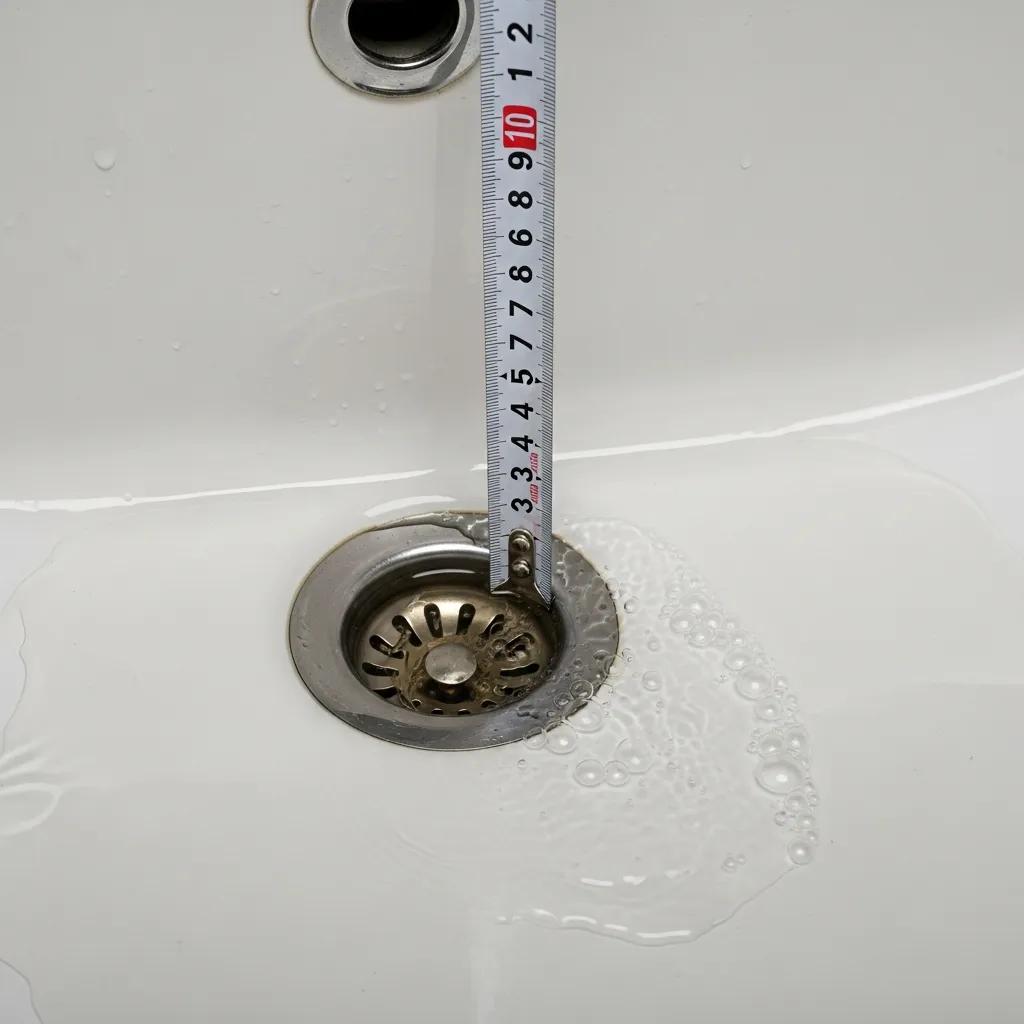
Signs You Need Drain Relining: When to Consider Pipe Repair in Melbourne
Drain issues can be a significant headache for property owners, often leading to costly repairs and extensive damage if not addressed promptly. Understanding the signs that indicate the need for drain relining is crucial for maintaining the integrity of your plumbing system. This article will explore the common symptoms of damaged drains, the drain relining process, and the various pipe repair options available across Melbourne, particularly in South Eastern suburbs like Springvale, Noble Park, Keysborough, Rowville, Wheelers Hill, Mulgrave, and Clayton. By recognizing these signs early, you can prevent further complications and ensure your plumbing system operates efficiently.
In this guide, we will cover the following sections: common signs indicating the need for drain relining, the drain relining process, your pipe repair options, the costs associated with drain relining, and maintenance tips to extend the life of your pipes. By the end, you will have a comprehensive understanding of when to consider pipe repair and how to address any issues effectively.
What Are the Common Signs Indicating You Need Drain Relining?
Identifying the signs that suggest your drains may need relining is essential for preventing further damage. Common symptoms include slow drainage, unpleasant odors, and visible leaks. Recognizing these indicators early can save you from more extensive repairs and costly replacements.
How to Identify Blocked Drain Symptoms in Melbourne Properties
Blocked drains can manifest in several ways, and being aware of these symptoms can help you take action before the situation worsens. Common signs of blocked drains include:
- Slow Drainage: Water takes longer than usual to drain from sinks, showers, or bathtubs.
- Unpleasant Odors: Foul smells emanating from drains can indicate stagnant water or decaying matter.
- Gurgling Sounds: Unusual noises when using water fixtures may suggest air trapped in the pipes due to blockages.
These symptoms are often the first indicators of a more significant issue, making it crucial to address them promptly.
Recognizing Pipe Damage: Slow Drainage, Leaks, and Foul Odors
In addition to blocked drains, other signs can indicate pipe damage. These include:
- Slow Drainage: Persistent slow drainage can signal underlying issues, such as pipe corrosion, root intrusion, or blockages.
- Leaks: Visible water leaks around pipes or damp spots on walls and ceilings can indicate damaged pipes that require immediate attention.
- Foul Odors: Unpleasant smells can arise from decaying organic matter trapped in damaged pipes, signaling the need for inspection and potential relining.
Recognizing these signs early can help prevent more severe plumbing issues and costly repairs.
How Does the Drain Relining Process Work in Melbourne?
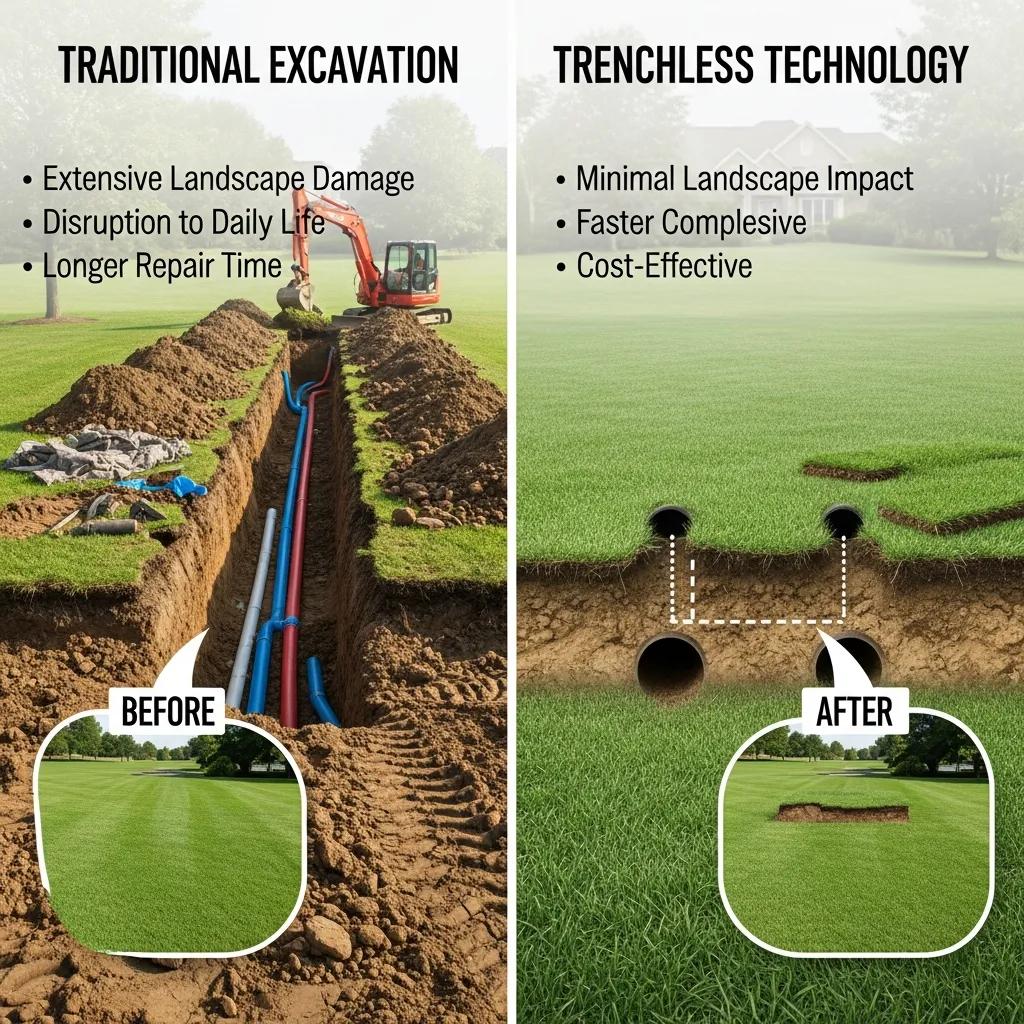
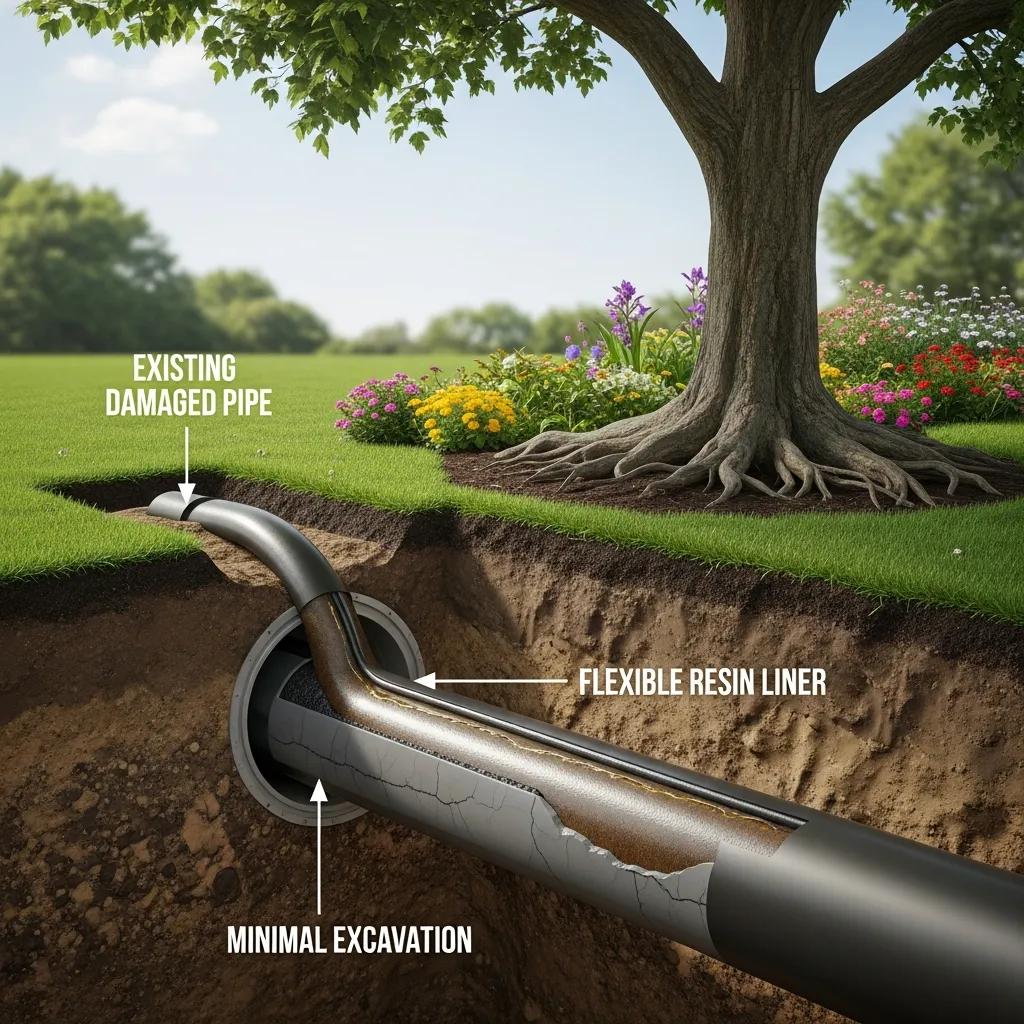
The drain relining process is a trenchless method that allows for the repair of damaged pipes without the need for extensive excavation. This innovative approach minimizes disruption to your property while effectively restoring the functionality of your drainage system.
What Is Trenchless Pipe Repair and Its Benefits?
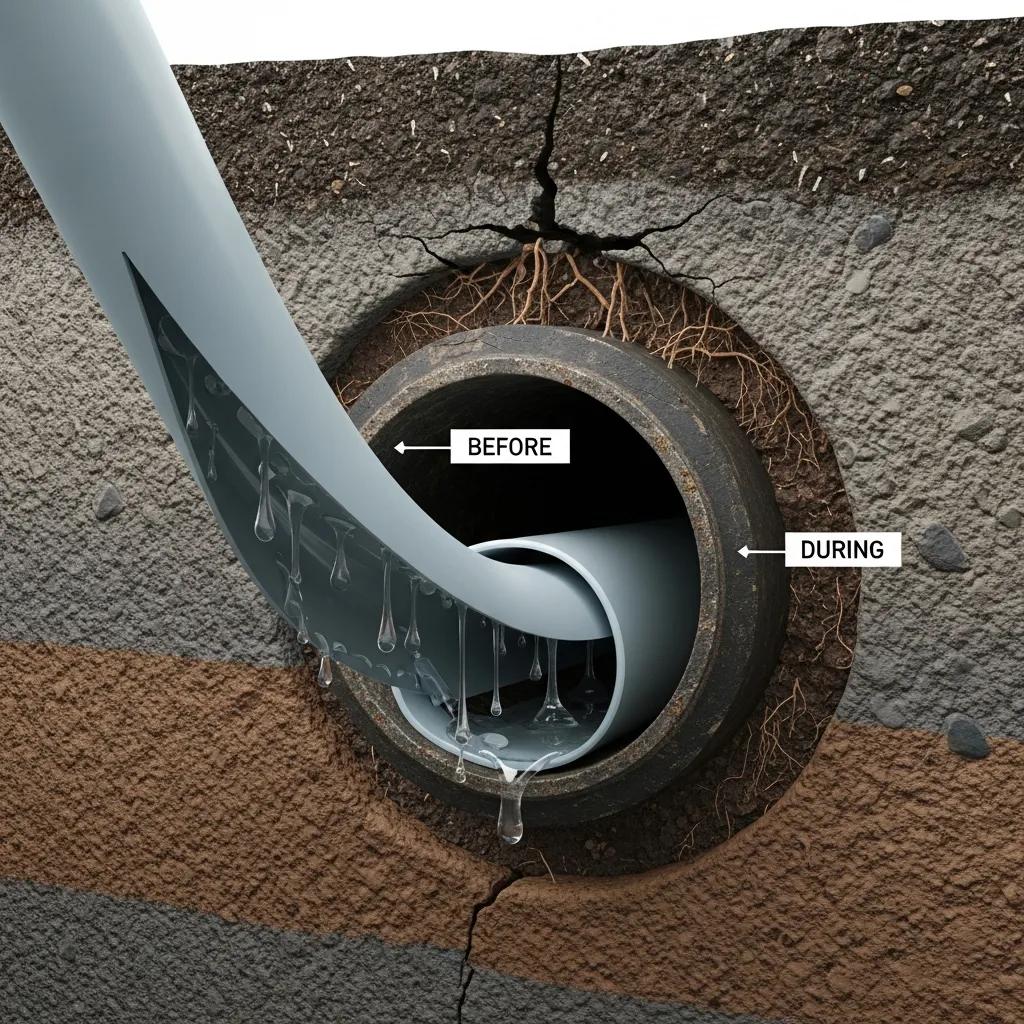
Trenchless pipe repair is a modern technique that involves inserting a new lining into existing pipes. This method offers several benefits, including:
- Less Disruption: Since it does not require digging up your yard or driveway, trenchless repair minimizes disruption to your property.
- Cost-Effectiveness: The reduced need for excavation can lead to lower overall repair costs.
- Speed of Repair: The process can often be completed within a day, allowing you to return to normal activities quickly.
These advantages make trenchless pipe repair an attractive option for property owners facing drainage issues.
Step-by-Step Overview of Drain Relining Procedures
The drain relining process typically involves several key steps:
- Initial Inspection: A thorough inspection using CCTV cameras to assess the condition of the pipes. At J.O. Plumbing, we offer free CCTV inspections across Springvale, Noble Park, Keysborough, Rowville, Wheelers Hill, Mulgrave, Clayton, and other South Eastern suburbs to accurately diagnose any pipe damage.
- Preparation and Cleaning: Cleaning the pipes to remove any debris or blockages that could interfere with the lining process.
- Installation of New Lining: Inserting the new lining into the existing pipe, which is then cured (usually with heat or UV light) to form a strong, durable seal.
This step-by-step approach ensures that the relining process is effective and long-lasting.
What Are Your Pipe Repair Options in Melbourne?
When faced with pipe damage, property owners in Melbourne have several repair options to consider. Understanding these options can help you make an informed decision about the best course of action for your plumbing system.
Comparing Drain Relining with Traditional Pipe Replacement
When considering pipe repair, you can choose between drain relining and traditional pipe replacement. Here’s a comparison of the two methods:
| Method | Cost | Time Required | Long-Term Effectiveness |
|---|---|---|---|
| Drain Relining | Generally lower | 1 day | High |
| Traditional Replacement | Generally higher | Several days to a week | High |
Drain relining is often more cost-effective and quicker than traditional replacement, making it a preferred choice for many property owners.
When Is Emergency Pipe Repair Necessary?
Emergency pipe repair may be necessary in situations such as:
- Severe Leaks: If you notice significant water leaks that could cause damage to your property.
- Complete Blockages: When drains are completely blocked, leading to potential overflow or sewage backup.
- Foul Odors: Strong, persistent odors can indicate serious issues that require immediate attention.
In these critical situations, contacting J.O. Plumbing is crucial. We provide prompt and reliable emergency pipe repair services across Springvale, Noble Park, Keysborough, Rowville, Wheelers Hill, Mulgrave, Clayton, and other South Eastern suburbs to prevent further damage.
How Much Does Drain Relining Cost in Melbourne?
Understanding the costs associated with drain relining can help you budget for necessary repairs. Several factors influence the overall cost of the service.
Factors Influencing Pipe Relining Melbourne Cost
The cost of drain relining can vary based on several factors, including:
- Extent of Damage: More extensive damage may require additional work and materials.
- Location of Pipes: Pipes that are difficult to access may increase labor costs.
- Pipe Diameter and Length: Larger or longer pipes require more materials and time.
- Technology Used: Advanced technology may come at a higher price but can offer better results.
These factors can significantly impact the overall cost of drain relining services.
Is Drain Relining Cost-Effective Compared to Other Repairs?
Drain relining is often considered a cost-effective solution compared to traditional pipe replacement. The benefits include:
- Long-Term Savings: By preventing future issues, you can save on potential repair costs.
- Impact on Property Value: Well-maintained plumbing systems can enhance property value.
- Customer Testimonials: Many property owners report satisfaction with the results of drain relining, highlighting its effectiveness.
These factors contribute to the overall value of choosing drain relining as a repair option.
What Maintenance Tips Help Prevent Drain Damage and Extend Pipe Life?
Regular maintenance is essential for preventing drain damage and ensuring the longevity of your plumbing system. Implementing a few simple practices can make a significant difference.
Routine Drain Inspection and Early Symptom Detection
Conducting routine inspections can help identify potential issues before they escalate. Key practices include:
- Regular Check-Ups: Schedule inspections at least once every 1-2 years to assess the condition of your pipes.
- Monitoring Symptoms: Pay attention to any signs of drainage issues, such as slow drainage or foul odors.
- Professional Assessments: Engage a professional plumber for thorough inspections and diagnostics.
These practices can help catch problems early, saving you time and money in the long run.
Best Practices for Drain Maintenance in Residential and Commercial Properties
Maintaining your drains involves several best practices:
- Avoid Flushing Non-Biodegradable Items: Items like wipes and feminine hygiene products can cause blockages.
- Use Drain Covers: Installing covers can prevent debris from entering your drains.
- Regular Cleaning: Use natural or enzyme-based cleaning solutions to keep your drains clear and odor-free.
By following these best practices, you can extend the life of your pipes and reduce the likelihood of needing repairs.