
PVC vs Clay Pipes: Comprehensive Drain Relining Solutions and Repair Methods in Melbourne
When it comes to drain relining, the choice of pipe material can significantly impact the effectiveness and longevity of the repair. This article delves into the differences between PVC and clay pipes, exploring their unique properties, repair needs, and suitability for Melbourne’s plumbing landscape. Understanding these distinctions is crucial for property owners looking to make informed decisions about their drainage systems. Many face challenges with aging pipes, leading to costly repairs and maintenance. This is particularly true for many older properties in Melbourne’s South Eastern suburbs, including Dandenong, Frankston, Cranbourne, Narre Warren, Berwick, Pakenham, and surrounding areas, where clay pipes are common. Fortunately, both PVC and clay pipes offer viable solutions through advanced relining techniques. We will cover the key differences between these materials, how relining works, cost considerations, and why J.O. Plumbing is the go-to expert for these services in Melbourne.
What Are the Key Differences Between PVC and Clay Pipes for Drain Relining?
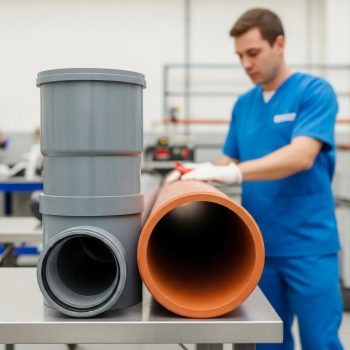
PVC and clay pipes are two common materials used in drainage systems, each with distinct characteristics that affect their performance and repair needs.
How Do Material Properties Affect Pipe Durability and Repair Needs?
The durability of PVC pipes is generally superior to that of clay pipes. PVC is resistant to corrosion and chemical damage, making it a long-lasting option for drainage systems. In contrast, clay pipes can be more susceptible to cracking and breakage, especially in areas with shifting soil or extreme weather conditions. This difference in durability leads to varying repair needs; PVC pipes often require less frequent maintenance, while clay pipes may need more regular inspections and repairs due to their vulnerability to damage.
Which Pipe Type Is More Suitable for Melbourne’s Drain Relining Services?
In Melbourne, the suitability of PVC versus clay pipes for Melbourne’s Drain Relining Services largely depends on local environmental factors. The region’s clayey soil can exert significant pressure on underground pipes, making clay pipes more prone to damage, a common issue in older properties across South Eastern suburbs like Dandenong, Frankston, Cranbourne, Narre Warren, Berwick, and Pakenham. However, PVC pipes, with their flexibility and resistance to environmental stressors, are often favored for relining services. Additionally, regulatory considerations in Melbourne generally favor the use of PVC due to its durability, ease of installation, and compliance with plumbing standards.
How Does Pipe Relining Work for PVC and Clay Pipes?
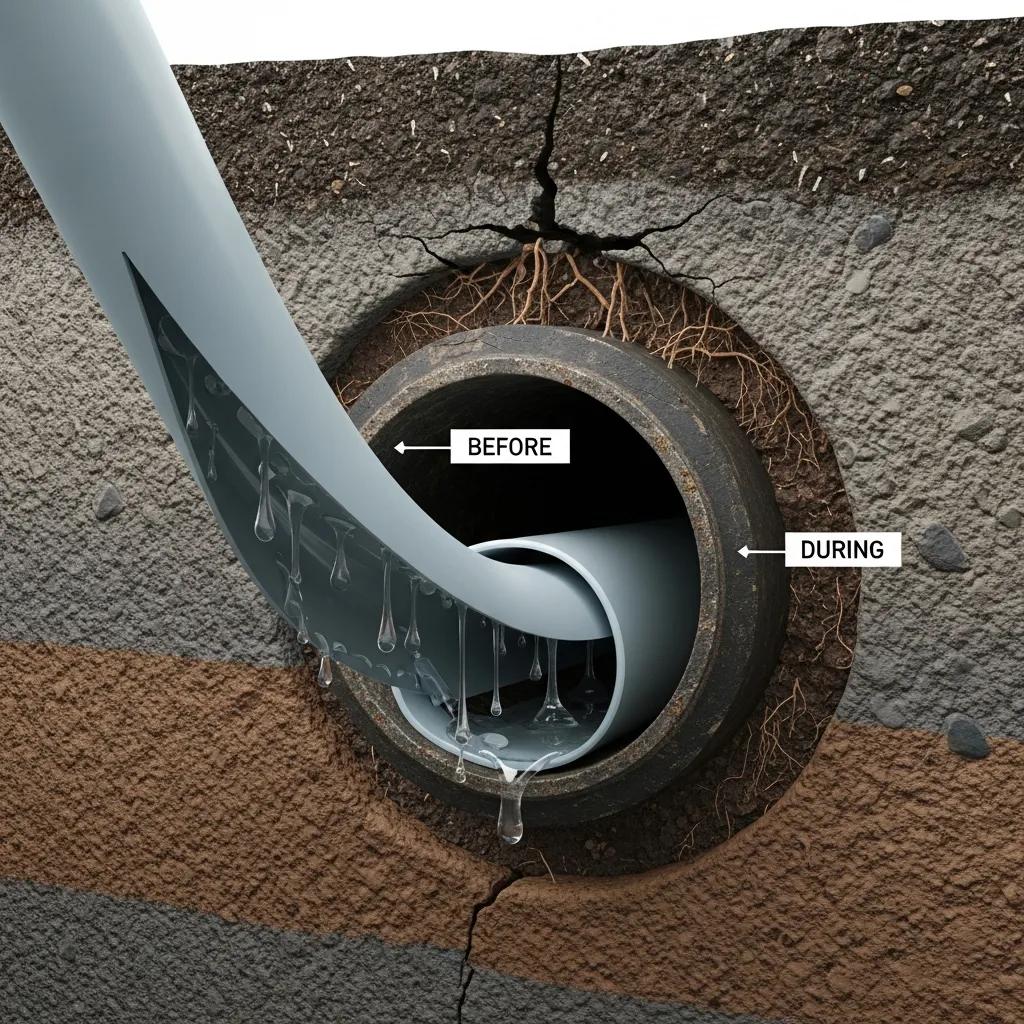
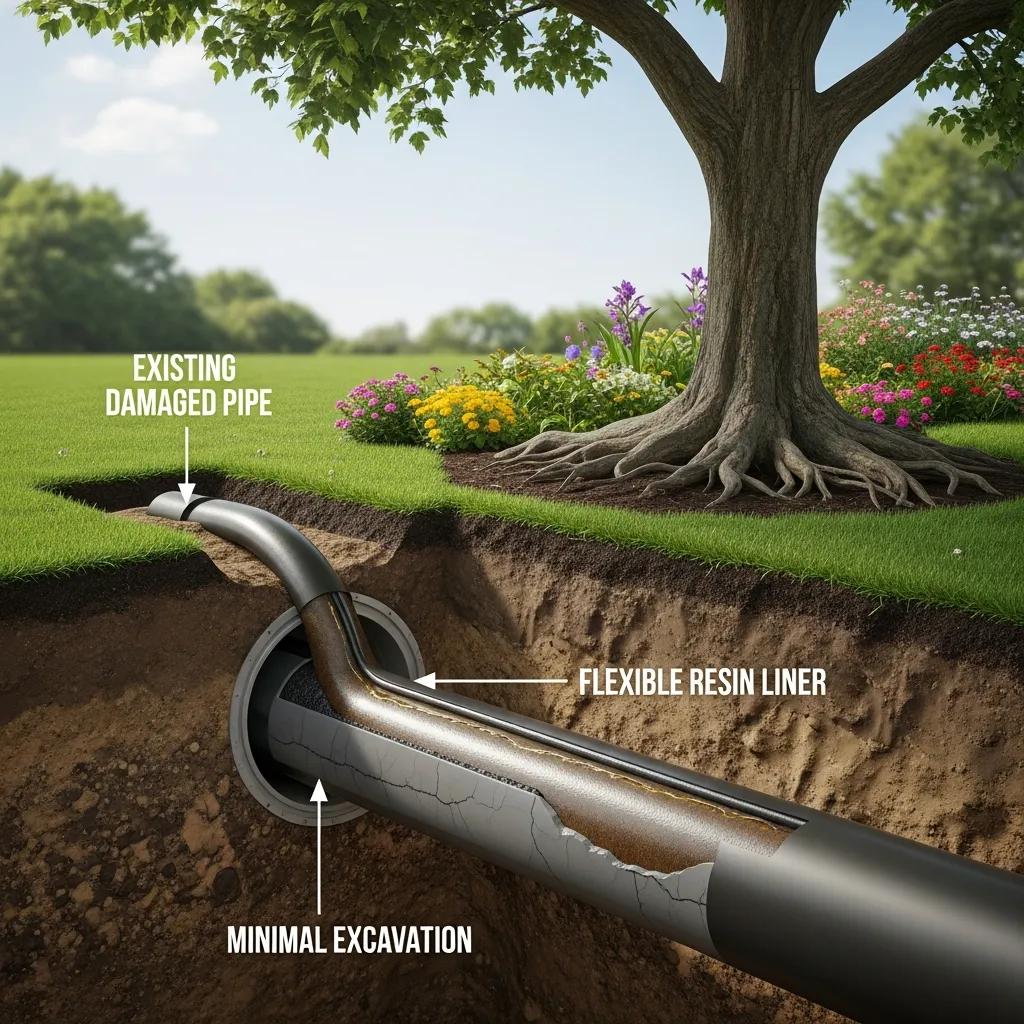
Pipe relining is a trenchless repair method that allows for the restoration of damaged pipes without the need for excavation. This process is applicable to both PVC and clay pipes, providing a cost-effective solution for property owners.
What Are the Trenchless Relining Techniques Used for Different Pipe Materials?
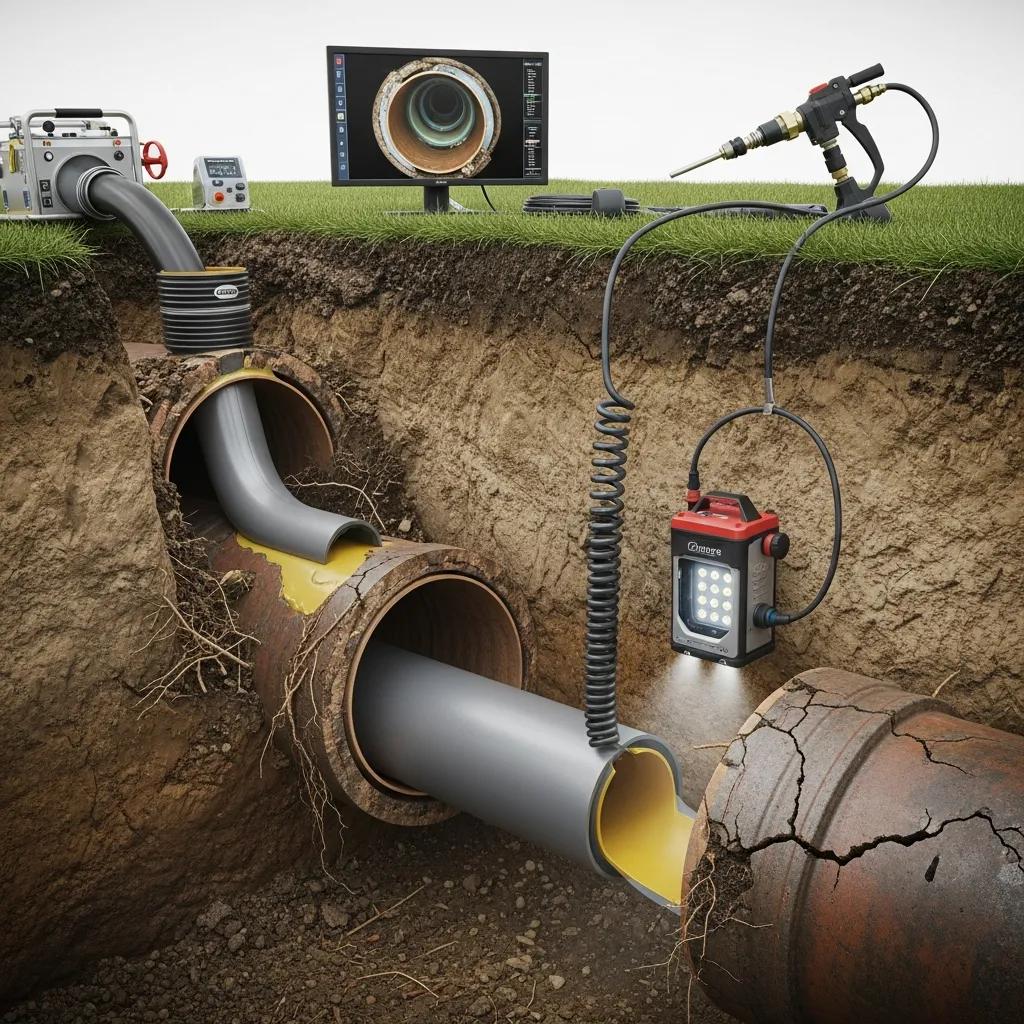
Trenchless relining techniques involve inserting a liner coated with resin into the existing pipe. For PVC pipes, the process is relatively straightforward due to their smooth interior surfaces, allowing for efficient installation. In contrast, clay pipes may require additional preparation to ensure the liner adheres properly, as their rough surfaces can complicate the process. The advantages of trenchless methods include minimal disruption to the property and reduced labor costs.
Can Clay Pipes Be Effectively Relined Without Excavation?
Yes, clay pipes can be effectively relined without excavation, making it an ideal solution for the many older homes in areas like Dandenong, Frankston, Cranbourne, Narre Warren, Berwick, and Pakenham, although the process may be more complex than with PVC. Successful relining of clay pipes often involves thorough cleaning and inspection to identify any structural issues before the liner is installed. Case studies have shown that with the right techniques, clay pipes can be restored to a functional state, extending their lifespan significantly.
What Are the Cost and Lifespan Considerations for PVC vs Clay Pipe Relining?
When considering drain relining, both cost and lifespan are critical factors that influence the decision-making process for property owners.
How Do Repair Costs Compare Between PVC and Clay Pipe Relining?
The costs associated with relining PVC pipes are generally lower than those for clay pipes. This is due to the simpler installation process and the reduced need for extensive repairs. A comparative analysis shows that while PVC relining may range from $120 to $200 per meter, clay pipe relining can cost between $180 and $250 per meter, reflecting the additional labor and materials required.
What Is the Expected Lifespan of Relined PVC and Clay Pipes in Melbourne?
Relined PVC pipes can last upwards of 50 years, while relined clay pipes typically have a lifespan of around 40 to 50 years. Factors such as soil conditions, water quality, and maintenance practices can influence these lifespans. Regular inspections and maintenance can help maximize the longevity of both types of pipes, ensuring they remain functional for years to come.
| Pipe Type | Average Cost per Meter | Expected Lifespan |
|---|---|---|
| PVC | $120 – $200 | 50+ years |
| Clay | $180 – $250 | 40 – 50 years |
This table illustrates the cost and lifespan differences between PVC and clay pipe relining, highlighting the advantages of choosing PVC for long-term savings.
Why Choose J.O. Plumbing for Expert PVC and Clay Pipe Relining Services in Melbourne?
J.O. Plumbing is a trusted name in Melbourne for drain relining services in Melbourne, especially for residents in the South Eastern suburbs including Dandenong, Frankston, Cranbourne, Narre Warren, Berwick, Pakenham, and surrounding areas, specializing in both PVC and clay pipe repairs. Their expertise ensures that property owners receive the best solutions tailored to their specific needs.
What Emergency Pipe Relining Services Are Available for Melbourne Residents?
For Melbourne residents facing urgent plumbing issues, particularly those in the South Eastern suburbs, J.O. Plumbing offers prompt emergency pipe relining services. Their team is equipped to respond quickly, minimizing disruption and preventing further damage to the property. With a focus on customer satisfaction, they ensure that all emergency services are handled efficiently and effectively.
How Does J.O. Plumbing Ensure Quality in Clay Pipe Restoration and PVC Repair?
J.O. Plumbing prioritizes quality in all their services, employing skilled technicians trained in the latest relining techniques. They utilize high-quality materials and adhere to industry standards, ensuring that both clay and PVC pipe repairs are durable and reliable. Customer feedback consistently highlights their commitment to excellence and the effectiveness of their solutions.
What Are Common FAQs About PVC and Clay Pipe Drain Relining Solutions?
Understanding the nuances of drain relining can help property owners make informed decisions about their plumbing systems.
How Long Does PVC Pipe Relining Last Compared to Clay Pipes?
PVC pipe relining typically lasts longer than clay pipe relining, with an expected lifespan of over 50 years compared to 40-50 years for clay pipes. This longevity is a significant factor for property owners considering which material to use for their drainage systems.
Is PVC Better Than Clay for Drain Relining in Terms of Cost and Durability?
Yes, PVC is generally considered better than clay for drain relining due to its lower cost and greater durability. The resistance of PVC to corrosion and its flexibility make it a more reliable choice for long-term plumbing solutions, especially in environments like Melbourne where soil conditions can be challenging.