Melbourne Trenchless Sewer Pipe Relining: Process & Costs
Pipe relining is a trenchless repair that breathes new life into damaged underground sewer pipes. A resin‑saturated liner is inserted into the existing pipe, cured in place and becomes a new, jointless inner pipe — all without the disruption of a full dig‑and‑replace. This guide walks Melbourne homeowners and business owners through the main trenchless methods (like CIPP and epoxy lining), what you can reasonably expect to pay, and why relining often gives the best balance of cost, speed and minimal disruption. We cover the CIPP workflow step‑by‑step, the factors that drive price per metre, and the long‑term benefits — including an expected lifespan of 50+ years when installed correctly. You’ll also find a clear comparison with traditional replacement, practical maintenance tips, and how local service features (emergency response, payment plans) affect outcomes. We use terms such as trenchless pipe repair, CIPP pipe relining, epoxy pipe lining and no‑dig sewer repair so you can compare quotes and make informed decisions for Melbourne properties.
What Is Sewer Pipe Relining and How Does Trenchless Technology Work?
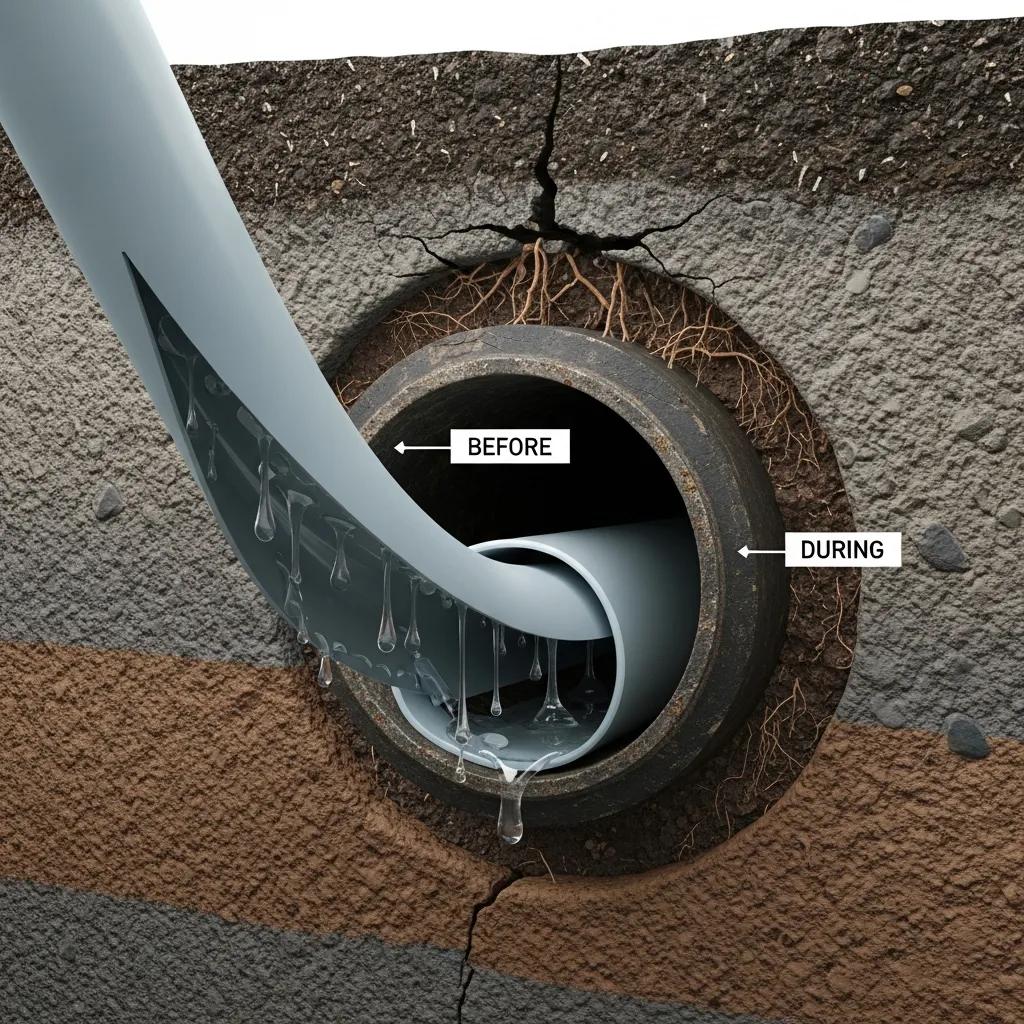
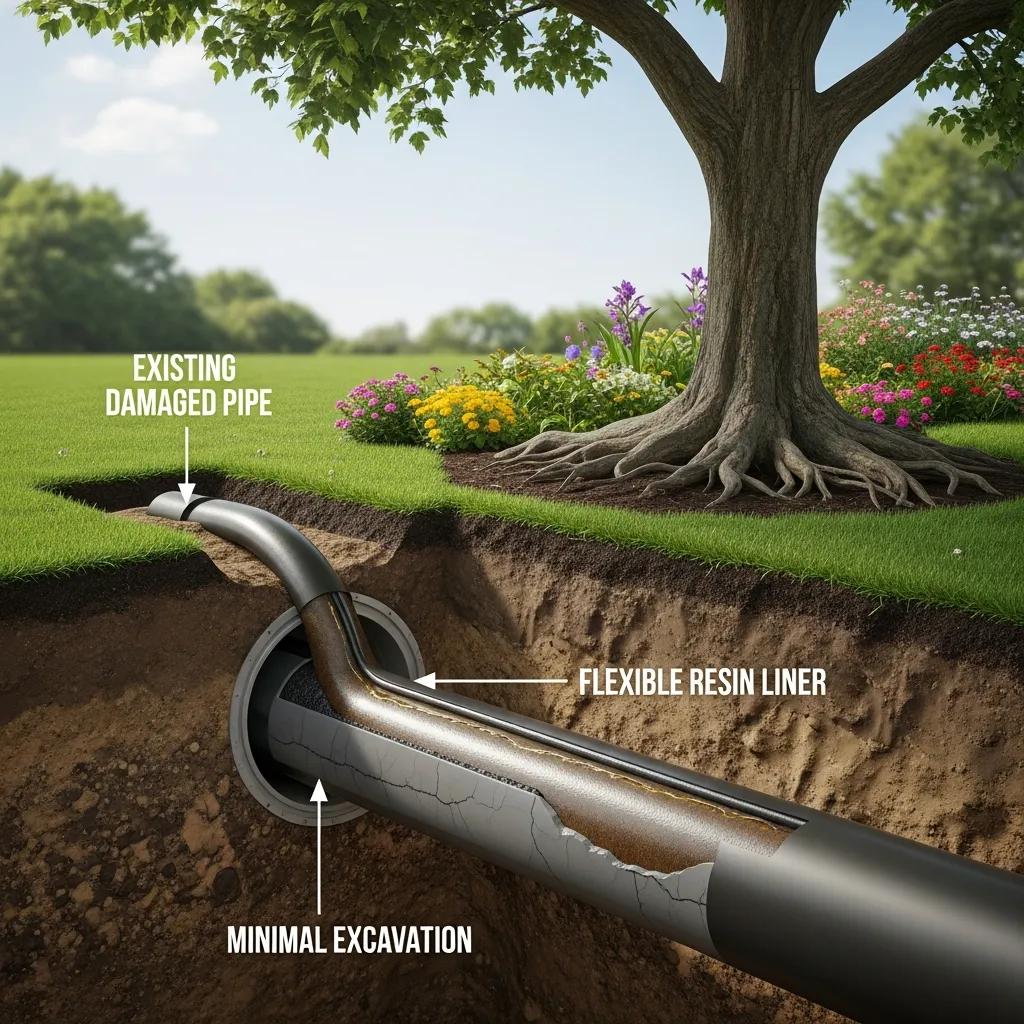
Relining repairs pipes from the inside. A flexible sleeve soaked in epoxy or resin is positioned in the damaged run, then cured to form a hard, seamless inner pipe that bonds to the original. Because the work happens inside the existing pipe, excavation is kept to a minimum — which saves gardens, driveways and restores service much faster than a full replacement. Cure methods include steam, hot water or UV light, and a CCTV check after curing confirms the liner has bonded and restored flow. Knowing these basics helps you evaluate quotes, weigh CIPP against epoxy lining, and choose the repair that gives the best long‑term value for your property.
Independent studies show resin‑based linings, including epoxy and polyester systems, are an effective alternative to full pipe replacement in many cases.
Epoxy Resin Pipe Lining: Materials & Trenchless Installation
Research into epoxy and polyester resin linings shows they offer durable trenchless rehabilitation compared with full replacement, with material performance affected by factors such as heat and water ageing.
Effect of heat and water aging on the durability of rubber‑epoxy lining used for rehabilitation of sewer infrastructure — P. Kharazmi, 2019
What Is Trenchless Sewer Repair and Its Benefits?
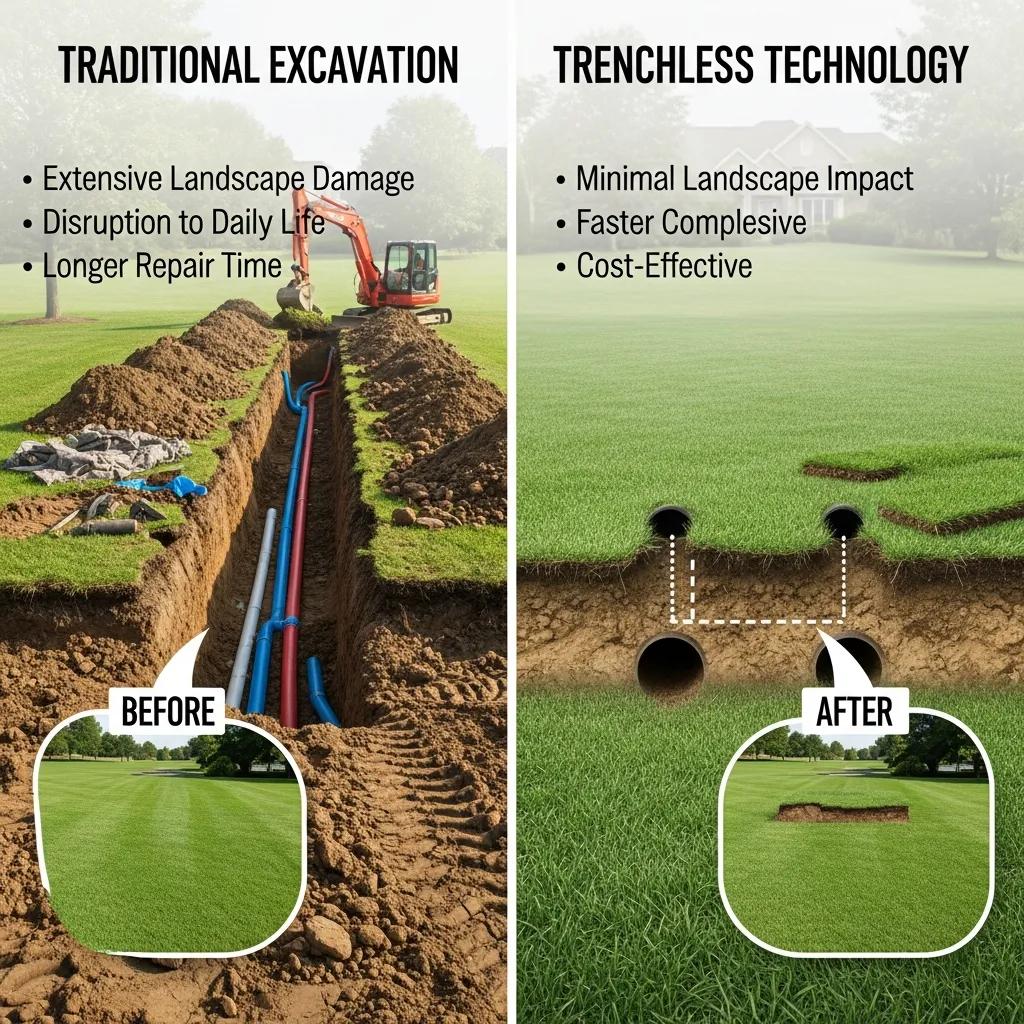
Trenchless sewer repair fixes problems like root intrusion, cracks, offset joints and corrosion without large‑scale digging. It’s a great option when the pipe still has enough structural continuity and when surface restoration would be expensive — for example, under lawns, paved courtyards or driveways. The main benefits are far less landscape damage, faster completion times and lower restoration costs. That said, trenchless won’t work for totally collapsed pipes or where access points can’t be reached — a CCTV inspection is the first, essential step to check viability.
How Does the Cured‑in‑Place Pipe Process Restore Pipes?

CIPP restores a damaged pipe by turning a resin‑impregnated liner into a new structural sleeve inside the old pipe. The usual steps are: CCTV inspection to map defects and confirm access; high‑pressure water jetting and root removal to prepare the surface; insertion of the resin‑saturated liner (inverted or pulled into place); curing with steam, hot water or UV; and a post‑cure CCTV check to confirm adhesion and flow restoration. Cure times depend on the method, but the whole process often completes in hours rather than days. When specified and installed correctly, CIPP creates a durable, jointless repair that resists future root intrusion and restores hydraulic capacity.
CIPP is widely accepted as an efficient and cost‑effective method for trenchless pipe rehabilitation.
CIPP: A Cost‑Effective Trenchless Pipe Rehabilitation Alternative
Among trenchless techniques, CIPP is commonly cited as a safe, efficient and economical option for rehabilitating sewer pipelines when replacement is avoidable.
Evaluation of cured‑in‑place pipe lining installations, 2016
How Much Does Pipe Relining Cost in Melbourne?
Estimating relining costs in Melbourne comes down to per‑metre rates, typical project ranges and the variables that affect the final quote. In many situations trenchless relining delivers around 40–60% savings compared with full replacement once excavation and surface restoration are included. Per‑metre rates depend on pipe diameter, resin system and site access.
Quick summary: relining cost per metre varies widely — the main factors are pipe diameter, run length, damage extent and site accessibility.
Quotes should typically include a CCTV pre‑inspection, cleaning/root removal, the relining system, curing and a post‑cure inspection. Ask for itemised quotes so you can compare like‑for‑like and confirm whether a no‑dig repair is genuinely the most cost‑effective option for your property.
Below are representative Melbourne scenarios — they’re indicative. Final prices come from a qualified local inspection.
| Scenario | Cost Factor | Typical Range / Example |
|---|---|---|
| Small residential run | Pipe diameter (100–150mm) | $200–$450 per metre depending on access and lining type |
| Medium domestic/commercial | Length and damage extent | $1,500–$6,000 per typical repair run (short to medium lengths) |
| Complex access / large‑diameter | Site accessibility and reinstatement | $250–$700 per metre when confined access or heavy reinstatement required |
This table shows common cost bands so you can see how diameter, length and access affect per‑metre and per‑project estimates. Always check what’s included in the quote before comparing offers.
What Factors Influence Pipe Relining Costs?
A number of site and pipe characteristics determine the final price. Larger diameters need more liner and resin and can require different handling equipment. Longer or more damaged runs mean more material and longer curing times. Poor access — such as confined spaces, depth or the need to temporarily reinstate services — adds labour and specialised equipment costs. Local factors in Melbourne (soil type, tree root prevalence, nearby structures) can increase cleaning and preparation work. A full CCTV inspection and a clear scope of work are essential before accepting a fixed quote.
Common cost drivers:
- Pipe diameter: Bigger pipes use more material and handling, increasing per‑metre cost.
- Extent of damage: Long or severe damage needs more resin and curing time.
- Site access: Restricted access or confined spaces add labour and equipment complexity.
These factors interact — understanding them helps predict whether relining will be cheaper than replacement in your case.
How Does Pipe Relining Cost Compare to Traditional Replacement?

When you compare relining with dig‑and‑replace, look at upfront costs and lifecycle expenses like landscaping, downtime and reinstatement. Relining commonly cuts immediate project costs by 40–60% because it avoids major excavation and surface replacement. It also finishes faster — often in hours or a couple of days — while replacement projects can take days to weeks once restoration is included. Over a 50‑year view, relined pipes can lower total ownership costs by preventing repeated patch repairs and avoiding recurring restoration bills. Replacement is still necessary for severely collapsed mains or where internal alignment can’t be restored, but for many jobs relining is the more affordable long‑term choice.
Studies consistently show notable cost benefits for CIPP compared with conventional trenching in appropriate scenarios.
CIPP vs. Conventional Trench: A Cost‑Benefit Analysis
Comparisons of repair strategies often highlight CIPP and trenching; in many analyses, CIPP offers favourable cost‑benefit outcomes when trenching and reinstatement costs are high.
Modelling sub‑catchment approaches to leakage rates, 2010
Key comparison points:
- Upfront cost: Relining usually costs significantly less than full replacement once restoration is included.
- Disruption: Trenchless relining avoids major surface works and reduces downtime.
- Lifecycle value: With a long expected lifespan, relining often offers better long‑term value.
What Are the Long‑Term Benefits of Pipe Relining?
Relining gives clear long‑term benefits: extended service life, reduced risk from root intrusion, and lower environmental and restoration impacts than replacement. The seamless inner sleeve resists infiltration and roots, restores flow capacity and reduces leaks that can cause subsidence or property damage. Properly installed CIPP or epoxy liners commonly reach an expected service life of 50+ years, and industry comparisons typically show 40–60% total project savings versus full replacement when reinstatement is considered. The no‑dig method also cuts waste and carbon from heavy earthworks, making relining a more sustainable choice when preserving surface features matters.
| Benefit | Measurable Attribute | Estimated Value / Impact |
|---|---|---|
| Lifespan extension | Expected service life | 50+ years for properly installed liners |
| Cost savings | Compared to full replacement | 40–60% total project savings typically achievable |
| Disruption reduction | Surface restoration avoided | Significant reduction in landscaping and concrete reinstatement costs |
This table summarises the main long‑term advantages: durability, cost savings and much less disruption to your property.
How Durable Are Relined Pipes and What Is Their Lifespan?
Relined pipes create a corrosion‑resistant inner sleeve that restores structural and hydraulic performance. Industry‑standard epoxy or polyester liners cured in place resist chemical attack, abrasion and root intrusion; when correctly specified, prepared and cured — and verified by CCTV — they commonly last more than 50 years. Longevity depends on material selection, surface preparation, and curing quality. Harsh chemical exposure or heavy mechanical loads can shorten life if not considered during specification. Regular monitoring and timely maintenance help preserve performance and maximise the liner’s useful life.
What Environmental and Property Advantages Does No‑Dig Repair Offer?
No‑dig relining reduces excavation, spoil removal and the carbon footprint tied to earthworks. It conserves topsoil and mature landscaping and prevents large concrete or asphalt reinstatements that add embodied carbon and waste. Property owners save on restoration costs and keep their driveways, gardens and paved areas intact or needing minimal repair. For neighbourhoods, no‑dig works mean less traffic disruption and noise — an important benefit in busy Melbourne suburbs. These property and environmental advantages make relining a more sustainable option where conserving surfaces matters.
Why Choose J.O. Plumbing for Cost‑Effective Pipe Relining in Melbourne?
J.O. Plumbing is a Melbourne‑based provider focused on fast, cost‑effective relining solutions that reduce downtime and financial stress for property owners. Their key offers include 24/7 Emergency Plumbing, Same Day Service, Competitive Pricing with a 0 percent Interest Payment Plan, a written satisfaction guarantee and qualified local plumbers. They emphasise trenchless relining (40–60% savings versus replacement), minimal disruption through no‑dig methods, and long‑lasting results (50+ years). These features aim to give you quick diagnosis, clear pricing and flexible payment options so you can make a confident decision after a CCTV inspection confirms whether trenchless repair is suitable.
| Service Feature | Attribute | Client Impact / Offer |
|---|---|---|
| 24/7 Emergency Plumbing | Rapid response availability | Reduced downtime for urgent blockages and leaks |
| Same Day Service | Fast assessment and triage | Quick diagnosis and scheduling for relining works |
| 0 percent Interest Payment Plan | Financial flexibility | Makes relining more accessible without upfront strain |
This table links J.O. Plumbing’s offers to the practical benefits customers see when deciding on relining.
What Makes J.O. Plumbing’s 24/7 Emergency and Same‑Day Service Unique?
Early inspection prevents a small problem turning into a full replacement. J.O. Plumbing’s 24/7 emergency response and same‑day assessments let them do fast CCTV diagnostics, apply temporary mitigation if needed, and prioritise trenchless relining when appropriate. In urgent cases — a severe blockage under a commercial kitchen or a house with repeated backups — a quick on‑site assessment reduces downtime and often lets a planned relining be scheduled before invasive excavation is needed. That speed helps keep households and businesses running while avoiding costly surface restorations later.
How Do Local Case Studies Demonstrate Cost Savings and Quality?
Short, anonymised Melbourne examples show relining delivering faster outcomes and lower total costs across residential and commercial jobs. A suburban home with tree root ingress avoided driveway excavation with CIPP relining, finishing the job in a day and saving large restoration costs. A small commercial kitchen with repeated blockages had an epoxy liner installed after CCTV diagnosis, restoring flow and cutting future maintenance calls. A council verge project with tight access used a UV‑cure liner to fix a larger main without heavy machinery, avoiding traffic closures and weeks of reinstatement. The pattern is clear: accurate diagnosis, the right trenchless solution and measurable savings on time and surface restoration.
What Are Common Questions About Sewer Pipe Relining and Warranty?
Homeowners and businesses often ask about warranties, payment options and post‑reline maintenance. Warranties usually cover workmanship and materials for a set period; reputable providers give written guarantees that spell out scope and exclusions so you know what’s covered. Interest‑free payment plans can help you proceed with necessary repairs without delay. Regular post‑installation CCTV checks at recommended intervals confirm liner performance and catch issues early, protecting your investment.
How Does J.O. Plumbing’s Warranty and Payment Plan Work?
J.O. Plumbing offers a written satisfaction guarantee and a 0 percent Interest Payment Plan to make relining more affordable for Melbourne clients. The written guarantee documents workmanship and the relining outcome so you have clarity on what’s covered. The 0 percent plan spreads the cost without extra finance charges, letting you proceed without a large upfront payment. To use these options, request a quote and discuss finance terms during the quoting process so the solution fits your technical needs and budget.
What Maintenance Is Needed After Pipe Relining?
Simple maintenance keeps a liner performing well: schedule periodic CCTV inspections, control tree roots near repaired runs, and avoid flushing non‑biodegradable items or discharging harsh chemicals. A typical approach is an initial post‑installation CCTV check after services stabilise, then inspections every few years depending on local root risk and site conditions. Stay alert for reduced flow or unusual odours and call your plumber early — prompt attention prevents small issues from becoming big problems and protects your relining investment.
Post‑reline maintenance checklist:
- Schedule CCTV inspections at recommended intervals to verify liner condition.
- Prevent root stress by removing or managing trees planted close to sewer lines.
- Avoid flushing inappropriate items and limit harsh chemical discharges that can damage liners.
Frequently Asked Questions
What are the signs that my sewer pipes may need relining?
Watch for frequent backups, slow drainage, persistent odours or visible leaks. Cracks or sinkholes in your yard can also point to compromised pipes. Tree root intrusion is a common cause of damage. If you notice any of these signs, book a CCTV inspection so a technician can assess the pipes and recommend relining if appropriate.
How long does the pipe relining process take?
It depends on damage and run length, but most relining jobs are much faster than replacements. After inspection and cleaning, the relining and cure stage often completes within hours, and small to medium jobs can finish within a day or two. That speed is one of the main advantages of trenchless technology over traditional excavation.
Is pipe relining a permanent solution?
Relining is a long‑term solution rather than a temporary fix. Properly installed liners commonly last 50+ years. Longevity depends on correct materials, surface preparation and curing, plus sensible maintenance. Regular inspections and good care help ensure the repair performs for decades.
Can I perform maintenance on relined pipes myself?
You can do basic upkeep like watching for slow drains, smells or signs of leaks. However, technical checks (CCTV inspections) and major maintenance should be handled by professionals. Avoid flushing non‑biodegradable items and be careful with heavy equipment over relined areas. When in doubt, call a plumber for advice.
What should I do if I notice a problem after relining?
If you see reduced flow, new odours or leaks after relining, contact your plumbing service straight away. Early action keeps small issues from growing into expensive repairs. Check your warranty documentation — many reputable companies cover post‑reline issues for a defined period.
Are there any environmental benefits to pipe relining?
Yes. Trenchless relining reduces excavation, preserves topsoil and landscaping, and cuts waste and the carbon footprint associated with heavy earthworks. Relined pipes are also less likely to leak, which protects groundwater. Choosing relining over full replacement is often the greener option for urban and suburban repairs.